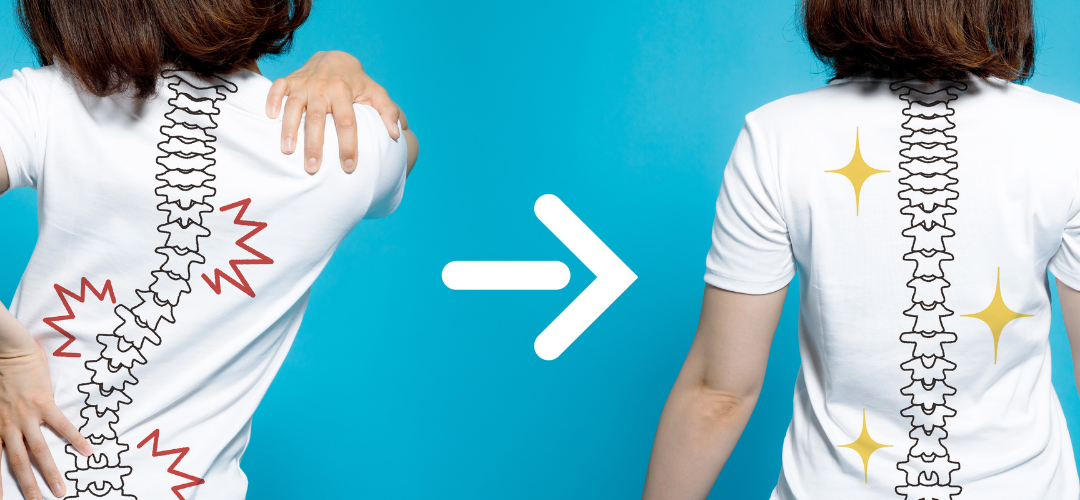
Discover Exactly How Back Braces Contribute to Effective Neck And Back Pain Relief and Improved Movement
Back dental braces are crucial devices in handling back pain and boosting flexibility. They support the back and promote proper position, which can result in considerable pain relief. Many users discover that these dental braces not just reduce persistent discomfort yet likewise motivate a more energetic lifestyle. However, the performance of a back brace can differ based on individual needs and scenarios. Recognizing these variables may be vital to disclosing their complete potential.
Comprehending Back Braces: Functions and types
Back dental braces are often watched as a service for discomfort relief, understanding their types and features is essential for efficient usage. Back supports can be classified right into numerous types, including inflexible, semi-rigid, and soft braces. Stiff dental braces provide maximum assistance and are commonly made use of for extreme injuries or post-surgical recuperation. Semi-rigid dental braces supply modest assistance and work for stabilizing the back while permitting some movement. Soft dental braces, on the other hand, supply marginal assistance and are commonly used for light discomfort or preventative procedures. Each kind serves particular features, such as restricting motion, sustaining the back, and enhancing stance. In addition, the materials utilized in these braces can differ, impacting convenience and breathability. Understanding these differences allows people to pick the appropriate back support customized to their unique requirements, enhancing the likelihood of successful management of back issues.
Exactly How Back Braces Relieve Discomfort
Back braces play a remarkable role in reducing discomfort by giving targeted support to the spinal column and surrounding muscular tissues. They maintain the lumbar area, decreasing extreme motion that might aggravate discomfort. By restricting back motion, back braces help prevent further injury, permitting inflamed muscles and tendons to recover.
Additionally, they disperse weight equally across the back, which can minimize pressure on certain areas, thereby minimizing pain. The compression given by these dental braces can improve proprioception, assisting individuals keep understanding of their body setting and movements, which may decrease pressure.
Back braces can mentally impart self-confidence in users, encouraging them to involve in day-to-day tasks without anxiety of intensifying pain. This mix of physical and psychological support contributes significantly to discomfort alleviation, making it possible for people to reclaim flexibility and boost their top quality of life
The Function of Back Braces in Posture Adjustment
Back dental braces play an important role in remedying position by enhancing spine alignment. By giving assistance to the muscular tissues, they motivate correct engagement and decrease the propensity to slouch. This enhanced stance can cause better general health and wellness and lowered pain.

Enhancing Spinal Placement
Back braces can offer as reliable devices for improving spinal alignment when individuals have a hard time with bad pose. These gadgets are developed to provide support by urging an upright placement, straightening the spinal column in a more all-natural curvature. By using gentle pressure, back supports remind customers to keep appropriate pose, which can reduce pressure on the back muscle mass and decrease discomfort. With time, constant use might result in muscular tissue memory for boosted stance routines. Furthermore, back braces can aid to support the spine throughout day-to-day tasks, additionally promoting an aligned position. This rehabilitative support not just help hurting relief however also adds to far better total mobility, making it easier for individuals to take part in their day-to-day regimens without discomfort.
Sustaining Muscular Tissue Engagement
Correct position not only counts on spinal positioning however additionally on the engagement of core muscle mass that sustain the back. Back braces play an essential function in promoting this muscular tissue engagement by giving outside assistance and motivating proper positioning. When used, these dental braces aid to stabilize the torso, prompting the core muscles to turn on better. This activation not only aids in preserving an upright pose yet also decreases the threat of muscle fatigue and pressure. In addition, by reinforcing appropriate body mechanics, back braces can educate people to adopt much healthier movement patterns gradually. The usage of back supports can lead to boosted muscle strength and endurance, ultimately contributing to lasting back pain relief and boosted mobility.
Enhancing Mobility With Back Supports
Lots of individuals experiencing neck and back pain locate that back braces can significantly boost their wheelchair. These supportive tools provide stability to the spinal column, allowing users to engage in day-to-day activities with higher confidence. By limiting too much movement, back supports assistance prevent further injury while offering a sense of safety and security. This stability motivates people to keep an extra energetic way of life, which is important for recovery and overall health.
Back supports can help in proper stance positioning, relieving stress on ligaments and muscle mass. This placement not only reduces discomfort yet also advertises a lot more effective movement patterns. As an outcome, users typically report boosted endurance and versatility, enabling them to participate in tasks they might have previously prevented as a result of pain. Generally, back supports offer as a useful device for boosting mobility, encouraging people to recover their freedom and take pleasure in a more active life regardless of their neck and back pain difficulties.
Picking the Right Back Brace for Your Needs
Exactly how does one browse the myriad choices readily available when selecting a back view it brace? The process begins with determining the details demands associated with pain in the back. Numerous kinds of back dental braces accommodate different problems, such as back support for lower back pain or thoracic dental blog braces for upper back problems. Individuals need to consider the degree of support needed, varying from light-weight, versatile braces for mild discomfort to stiff braces for more extreme conditions.
It is likewise important to evaluate comfort and fit, as an effectively fitted brace can boost performance. Material and breathability play a vital role in making sure comfort during long term use. Additionally, seeking advice from a healthcare expert can supply valuable insights into the most suitable options based on individual scenarios. Ultimately, making an informed selection includes a balance of assistance, comfort, and details clinical advice tailored to individual requirements and way of living.
Integrating Back Supports Into Your Therapy Strategy
Including back supports into a treatment strategy requires an understanding of the numerous kinds readily available and their specific usages. Appropriate use guidelines are necessary to guarantee maximum efficiency and safety. By lining up the option of support with individual needs, patients can improve their pain alleviation methods.
Types of Back Supports
Back braces been available in different kinds, each designed to address specific needs and problems connected to pain in the back. Stiff dental braces supply maximum assistance and stability, frequently made use of for healing after surgical procedure or injury. Flexible dental braces, on the other hand, supply modest assistance while enabling some movement, making them appropriate for those with chronic discomfort. An additional option is back support belts, which target the reduced back and are prominent among individuals that do hefty training or manual labor. Pose correctors aid line up the spinal column by motivating correct posture. Specialized dental braces, such as those designed for scoliosis, cater to special problems and might require a prescription. Each type serves an unique objective in boosting comfort and her latest blog flexibility.
Appropriate Use Standards
While back braces can offer substantial alleviation from discomfort, their effectiveness greatly relies on proper usage within an overall therapy strategy. Individuals ought to get in touch with health care professionals to establish the ideal kind of support for their details problem. Using the brace for limited durations, as suggested, assists protect against dependence and muscle weakening. It is important to ensure the support fits properly, enabling for flexibility without compromising assistance. Frequently examining comfort and changing the brace as required is vital for peak performance. Furthermore, including various other therapeutic approaches, such as physical treatment or workout, enhances the benefits of back supports. Ultimately, a worked with method ensures the brace works as an important device in handling pain in the back and improving general flexibility.
Real-Life Success Stories: Back Braces in Activity
Many people have uncovered the transformative impacts of back braces in handling chronic pain and improving flexibility. As an example, Sarah, a 38-year-old white-collar worker, dealt with consistent reduced neck and back pain as a result of prolonged resting. Canadian Orthopedic Supply. After utilizing a lumbar support brace, she reported substantial pain relief and was able to resume her daily tasks, including running. Mark, a construction worker, discovered that wearing a back support throughout heavy training provided the stability he required to execute his task without aggravating his persistent discomfort. Furthermore, a senior called Helen shared that a back support enabled her to join yoga exercise classes once again, boosting her adaptability and overall health. These real-life tales illustrate how back braces not only minimize pain but additionally equip people to reclaim their active lifestyles, showcasing the practical benefits of integrating such encouraging tools into everyday regimens
Regularly Asked Inquiries
Can Kid Usage Back Braces for Discomfort Relief?
Kids can use back supports for pain alleviation, particularly if recommended by a healthcare expert. These devices may help support the spinal column, decrease pain, and promote correct posture, helping in healing and mobility enhancement.
The length of time Should I Use a Back Brace Daily?
Professionals advise putting on a back support for about 2 to 6 hours daily, depending upon individual demands. It is essential to get in touch with a medical care professional for customized assistance and to stay clear of reliance.
Exist Any Negative Effects of Wearing a Back Dental Braces?
Putting on a back brace might cause side impacts such as muscle weak point, dependency, skin irritation, or discomfort. Back Braces. It is essential for individuals to monitor their body's action and consult a medical care professional if problems arise
Can Back Supports Be Worn During Exercises?
Back braces can be used during exercises, supplying assistance and stability. Individuals must speak with health care specialists to identify correct fit and usage, minimizing the threat of injury while taking part in numerous workouts or sports.
Do Back Supports Require a Prescription From a Physician?
Back braces do not constantly call for a prescription; lots of are offered non-prescription. Getting in touch with a doctor is suggested to guarantee proper fit and suitability for private needs, specifically for those with serious back problems.
Back braces are essential devices in handling back discomfort and improving wheelchair. Back supports can be classified right into a number of types, consisting of stiff, semi-rigid, and soft dental braces. Several people experiencing back pain find that back supports can greatly boost their flexibility. Various kinds of back dental braces provide to different problems, such as lumbar support for reduced back pain or thoracic dental braces for top back problems. Back supports come in different types, each developed to resolve details demands and problems associated to back discomfort.